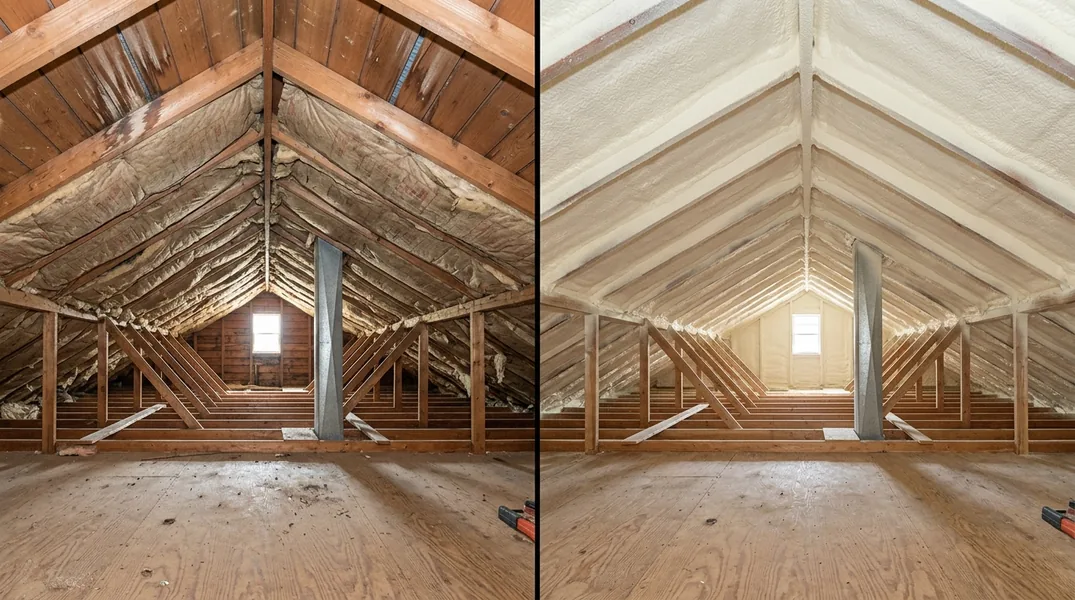
Understanding Spray Foam Insulation Costs in Little Rock
When homeowners in Little Rock start researching Attic Spray Foam Insulation, one of the first questions they ask is about cost. The price of spray foam insulation varies significantly based on several factors, including the type of foam, the size of your attic, local labor rates, and the specific challenges your space presents. Understanding what influences these costs helps you make an informed decision and avoid surprises when you receive your free estimate.
In 2026, spray foam insulation has become increasingly popular among Little Rock homeowners because it offers superior energy efficiency compared to traditional fiberglass or cellulose insulation. However, the upfront investment is typically higher. The good news is that spray foam delivers long-term savings through reduced heating and cooling costs, improved home comfort, and protection against moisture-related damage. When you factor in these benefits over the lifespan of the insulation, the return on investment becomes much more attractive.
Prefer a number before the details? Get your instant ballpark range in 20 seconds, then read on for what moves it.
Attic Spray Foam Insulation Cost in Little Rock: What to Budget
The pricing for attic spray foam insulation typically ranges from $1.50 to $3.50 per board foot, depending on whether you choose open cell or closed cell foam. For an average 1,500 square foot attic, you can expect to invest between $3,000 and $8,000 for complete coverage. These estimates assume standard attic conditions without significant structural damage or extensive moisture remediation required beforehand. Your actual cost will depend on your attic's specific size, current insulation condition, and accessibility.
Closed Cell Spray Foam Insulation costs more per square foot but offers superior R-value and acts as an excellent spray foam moisture barrier. This type is ideal for attics prone to humidity issues, which is common in Arkansas's climate. Open cell foam is more budget-friendly and provides good insulation value, but it doesn't offer the same moisture protection. The difference in cost between these two options typically ranges from $0.50 to $1.00 per board foot, which can add up significantly on larger projects. When planning your budget, consider not just the initial installation cost but also the long-term performance and protection benefits each option provides.
Why Closed Cell Foam Protects Against Attic Moisture Problems
One of the most compelling reasons homeowners choose Closed Cell Spray Foam Insulation is its exceptional ability to manage moisture. Attic moisture problems can lead to mold growth, wood rot, and structural damage that far exceeds the cost of proper insulation. Closed cell foam's dense structure creates an effective spray foam moisture barrier that prevents water vapor from penetrating into your attic space. This is particularly important in Arkansas, where humidity levels can remain high, especially during spring and summer months.
Condensation in attic spaces occurs when warm, moist air meets cold surfaces, creating water droplets that accumulate over time. Traditional insulation materials like fiberglass absorb moisture, which degrades their insulating properties and encourages mold growth. Closed cell spray foam, by contrast, resists moisture absorption and provides a continuous seal that eliminates the air gaps where condensation typically forms. This protective quality makes it worth the additional investment, as it safeguards your home's structural integrity and indoor air quality for decades.
Open Cell vs. Closed Cell: Comparing Cost and Performance
Open Cell Spray Foam Insulation offers a more economical entry point into spray foam technology. This type costs approximately $0.50 to $1.50 per board foot and provides an R-value of about 3.6 per inch. It's lighter, easier to apply in some situations, and works well in interior wall applications. However, open cell foam is permeable, meaning it allows air and moisture to pass through. For attic applications in humid climates, this characteristic can be problematic unless you install a separate vapor barrier to manage moisture.
Closed cell foam, while more expensive at $1.50 to $3.50 per board foot, delivers higher R-value (approximately 6.5 to 7.0 per inch) and built-in moisture resistance. For homeowners choosing between these options, the decision often comes down to your specific concerns and budget. If attic moisture problems are a primary concern, or if you're in an area with high humidity, closed cell foam's superior performance justifies the higher cost. For budget-conscious homeowners in drier applications, open cell foam with a proper vapor barrier can be a viable alternative. The best way to determine which option makes sense for your home is to contact Little Rock Spray Foam Insulation at (501) 588-2298 for a professional assessment.
Factors That Influence Your Final Spray Foam Insulation Cost
Several variables affect the final cost of your spray foam insulation project beyond just the foam type. The size of your attic is the most obvious factor, but equally important is your attic's current condition. If your attic has existing insulation, removing it adds labor costs. If there's evidence of water damage, mold, or structural issues, remediation work must occur before foam application, which increases your overall project cost. The accessibility of your attic also matters, as difficult-to-reach areas require more time and specialized equipment.
Geographic location within your service area can slightly influence pricing due to travel time and local market conditions. Seasonal demand also plays a role, with spring and summer typically being busier periods that might affect scheduling and pricing. Additional factors include whether you need ventilation modifications, air sealing work, or installation of a vapor barrier alongside your foam application. Energy efficiency upgrades, such as sealing ductwork or addressing air leaks, often complement spray foam installation and add to the total project cost. To get an accurate picture of what your specific project will cost, reach out to Little Rock Spray Foam Insulation for a detailed consultation and free estimate.
Return on Investment: Why Spray Foam Costs Less Over Time
While the upfront cost of spray foam insulation is higher than traditional insulation materials, the long-term financial benefits often make it the more economical choice. Homeowners typically see energy savings of 15 to 30 percent on their heating and cooling costs after spray foam installation. In Arkansas's climate, where summers are hot and humid, and winters require heating, these savings accumulate quickly. A well-insulated attic with proper moisture control also prevents costly repairs from water damage and mold remediation, which can easily exceed $10,000 if not addressed promptly.
Most spray foam insulation systems last 80 years or more without degradation, whereas fiberglass insulation may need replacement every 15 to 20 years. This longevity means your initial investment continues paying dividends for decades. Additionally, improved home comfort, reduced HVAC strain, and increased property value add intangible benefits that enhance your quality of life. When you consider that Attic Spray Foam Insulation protects against condensation in attic spaces and eliminates attic moisture problems that plague many older homes, the investment becomes even more justified. To explore whether spray foam insulation makes financial sense for your specific situation, call Little Rock Spray Foam Insulation at (501) 588-2298 or request your free estimate today.
Before you call, get your instant ballpark range in 20 seconds so you start the conversation already knowing roughly what your job should cost.
Looking for a professional spray foam insulation contractor in Little Rock? Little Rock Spray Foam Insulation responds fast for all your spray foam insulation needs.
Get a Free Quote