Why Pulaski County Cares About Your Spray Foam Project
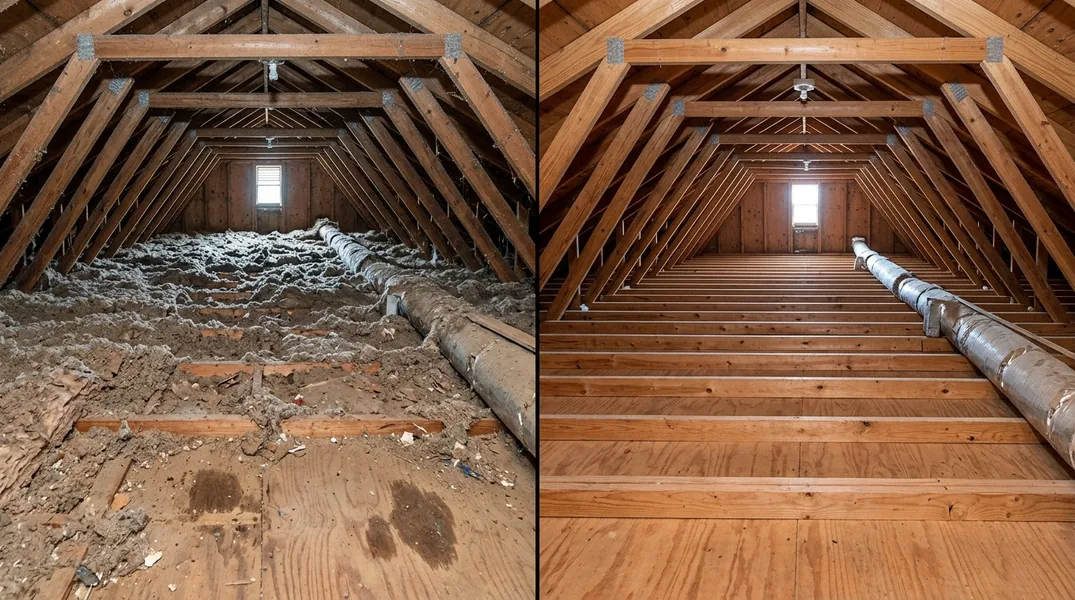
If you're planning to upgrade your Attic Spray Foam Insulation in Little Rock, you might assume it's as simple as calling an insulation contractor and scheduling installation. The reality is a bit more involved, especially in Pulaski County, where building permits and inspections are required before foam is ever sprayed into your attic. Understanding these requirements upfront can save you time, money, and the headache of having to remove improperly installed insulation later.
Pulaski County follows the International Building Code (IBC) and Arkansas State Building Code standards, which means your spray foam project must meet specific fire ratings, R-value minimums, and installation specifications. Whether you're choosing between Open Cell Spray Foam Insulation and Closed Cell Spray Foam Insulation, both materials have different regulatory pathways. The county doesn't just care about the foam itself; they care that it's installed correctly, that it meets fire safety codes, and that your contractor is licensed to perform the work.
Open Cell vs Closed Cell Spray Foam: Permitting Differences
One of the first decisions you'll make is whether to use open cell or closed cell spray foam, and this choice directly affects your permitting process. Open cell spray foam is less dense, more flexible, and typically less expensive. It has a lower closed cell spray foam R value compared to its closed cell counterpart, usually ranging from R-3.5 to R-3.6 per inch. Because of its lower density and fire characteristics, open cell foam often requires additional fire-blocking materials or intumescent coatings in certain applications, which can add complexity to your permit approval.
Closed cell spray foam, by contrast, is denser and provides superior R-value performance, typically delivering R-6 to R-7 per inch. This higher spray foam R value makes it more efficient for attic insulation, and it also has inherent fire-resistance properties that sometimes simplify permitting. However, closed cell foam costs more and may trigger additional moisture and ventilation reviews from Pulaski County inspectors. Your contractor should understand these distinctions and help guide you toward the material that meets both your performance goals and the county's building code requirements.
The Permit Application Process in Pulaski County
Before any spray foam touches your attic, you'll need to obtain a building permit from Pulaski County. This isn't optional, and it isn't a formality. The permit process typically begins with your contractor or a licensed professional submitting an application that includes detailed plans, material specifications, and the contractor's license information. The county will review your application to ensure it complies with local codes, setback requirements, and safety standards. For attic insulation projects, this usually takes between five and ten business days, though complex projects may take longer.
During the application review, county officials will verify that your chosen insulation material meets code requirements. If you're installing closed cell spray foam insulation, they'll want to see documentation of the product's R-value rating and fire classification. If you're choosing open cell, they may require additional details about how fire-blocking will be addressed. The permit fee itself typically ranges based on the project scope, and once approved, you'll receive a permit number that your contractor must display at the job site. This number is essential, and without it, your contractor cannot legally begin work.
Inspection Requirements Before, During, and After Installation
Pulaski County requires at least one inspection before your spray foam insulation project is considered complete. Most commonly, there's a pre-installation inspection where a county official verifies that the attic space is ready for foam application, that electrical work is properly installed, and that any necessary air sealing or preparation has been completed. This inspection ensures that no hazards exist and that the substrate is appropriate for foam application. Your contractor should schedule this inspection and coordinate the timing with the county to avoid delays.
After the spray foam is applied, a final inspection is mandatory. During this inspection, a county representative will examine the foam coverage, verify that it meets the specified R-value and thickness requirements, check for proper fire-blocking installation if applicable, and ensure that ventilation hasn't been compromised. If you're in North Little Rock or nearby areas of Pulaski County, the inspection process is similar, though wait times may vary. Once the final inspection passes, you'll receive a certificate of compliance, which is important for insurance, resale documentation, and warranty purposes.
R-Value Requirements and Code Compliance in Arkansas
Arkansas building code specifies minimum R-value requirements for attic insulation based on climate zone. For the Little Rock area, which falls in Climate Zone 3A, the minimum attic insulation R-value is typically R-38 to R-49, depending on whether you're building new or retrofitting an existing structure. This is where the difference between open cell and closed cell spray foam becomes financially and practically significant. With open cell foam at R-3.5 per inch, you'd need roughly 11 to 14 inches of material to meet code. With closed cell foam at R-6 per inch, you'd need only 6 to 8 inches, which is often more practical for existing attics with limited clearance.
When you submit your permit application, your contractor must specify exactly which material will be used and provide documentation proving its R-value rating. Pulaski County inspectors will verify this during the final inspection by checking the actual thickness applied and cross-referencing it with the manufacturer's R-value data. If the installed foam doesn't meet the minimum requirement, the county will issue a notice of non-compliance, and you'll be required to add more insulation or have the work corrected. This is why working with a knowledgeable, licensed contractor is critical, not just for quality but for code compliance.
Working with a Insured Contractor to Navigate Permitting
The best way to ensure your spray foam insulation project moves smoothly through Pulaski County's permitting process is to hire a licensed, experienced contractor who understands local codes inside and out. Little Rock Spray Foam Insulation has years of experience managing permits, coordinating inspections, and delivering installations that pass county review on the first attempt. A reputable contractor will handle the permit application for you, schedule inspections at the right times, and ensure that all work meets or exceeds code requirements. They'll also advise you on whether open cell or closed cell spray foam makes the most sense for your home, budget, and local climate.
When you're ready to move forward, contact Little Rock Spray Foam Insulation at (501) 588-2298 or request a free estimate online. During your consultation, discuss your permitting concerns openly. A professional contractor will walk you through the entire process, explain what to expect during inspections, and answer questions about R-value, material choice, and pricing. This upfront transparency means no surprises and a smoother path to a properly insulated, code-compliant attic that will serve your home for decades to come.
Looking for a professional spray foam insulation contractor in Little Rock? Little Rock Spray Foam Insulation responds fast for all your spray foam insulation needs.
Get a Free Quote